Hakka Culture editors
The Hakka Culture editorial team maintains this independent reference against named primary sources.
Editorial standards
- No paid placements. We do not accept payment for a placement, a ranking or a favourable review. Where a link earns a commission, the page carrying it says so.
- No untested claims. We do not say we have tried something we have not. Prices and plan details supplied by a provider are labelled as indicative rather than presented as our own findings.
- No page for the sake of a keyword. A destination gets a page when there is something specific to say about it. That is why the site is small.
- Corrections are made in public. A factual fix is applied to the page and the update date changes with it.
31 pages by Hakka Culture editors
-
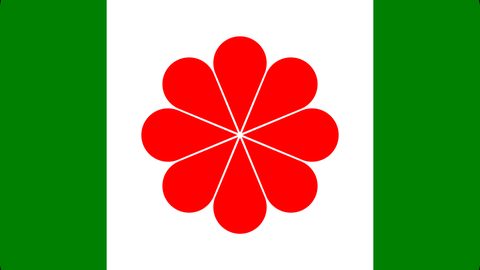 What Is a Hakka Roundhouse and How Is It Different from a Tulou
A Hakka roundhouse, or tulou, is a Fujian rammed-earth fortress shared with Minnan groups—not universal Hakka housing, and distinct from the weilongwu form.
-
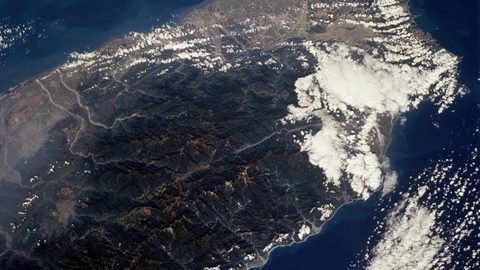 What Makes a Taiwan Hakka Settlement Distinctive on the Ground
A Taiwan Hakka settlement is distinguished by its gongma hall centrality, shared irrigation canals, upland crop ecology, and topography-following street layout.
-
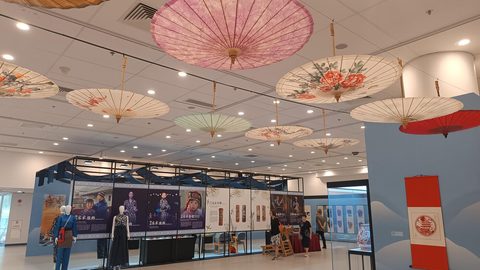 How Paper Umbrellas Became Connected to Hakka Culture in Taiwan
Hakka paper umbrellas became connected to Taiwan Hakka culture through Meinong craft centre development and heritage tourism, not ancient folk tradition.
-
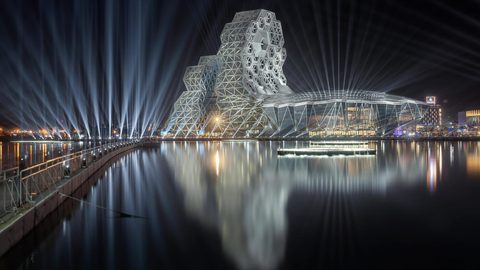 How to Visit Hakka Heritage Buildings Without Damaging Them
How to visit Hakka ancestral halls, tulou, and weilongwu as living ritual spaces, not museums, with preservation-minded planning and access verification.
-
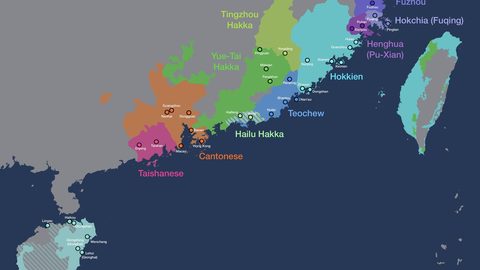 Hakka Language Guide: Dialects, Tones and Regional Variation
A guide to the Hakka language family across Sixian, Hailu, Dabu, Raoping, and Meixian dialects—tone systems, entering-tone retention, and mutual intelligibility compared.
-
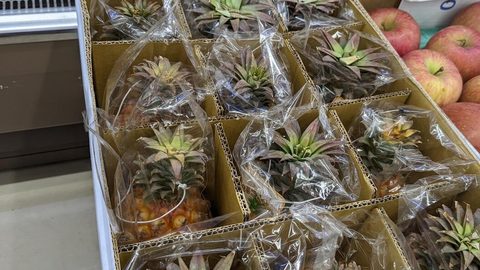 Hakka Places Buildings and Craft Heritage Guide
Navigate Hakka places, buildings, and craft by what you want to do: visit a living village, learn a technique, or understand a building typology.
-
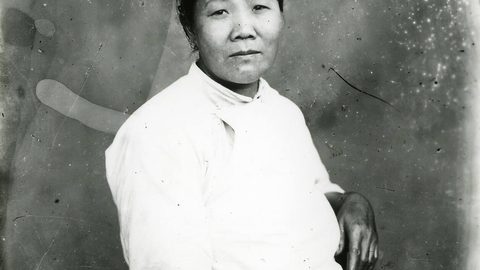 Who Are the Hakka People: Language, Lineage and Migration
Hakka people are defined by a shared language family with entering tones, lineage-based social organisation, and a history of upland migration—not a single essence.
-
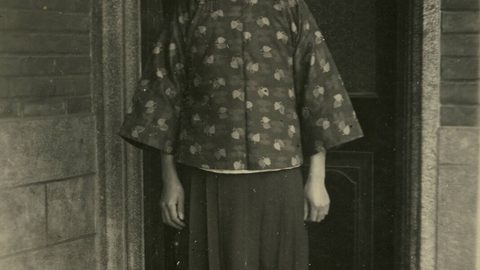 Where Are Taiwan's Main Hakka Regions: A Map Without Fixed Borders
Taiwan's six Hakka cultural regions—Miaoli, Hsinchu, Liudui, Taichung, Hualien-Taitung, and central—have distinct dialects, migration origins, and ritual calendars.
-
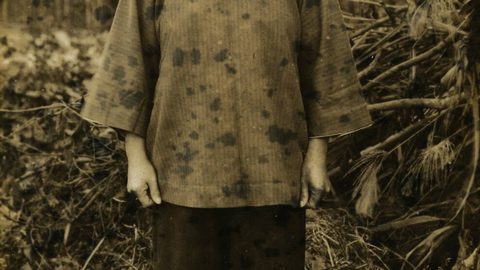 How Hakka Identity Is Changing: Urbanisation, Media and Policy
Hakka identity is being remade through Taiwan's language policy, Hakka TV media, heritage craft revival, and diaspora tourism, even as spoken fluency declines generationally.
-
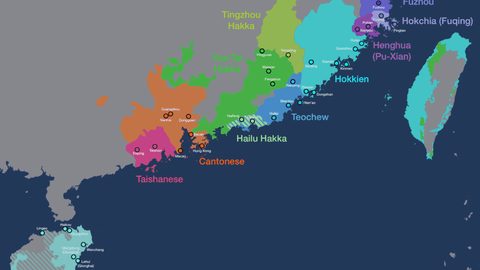 What Language Do Hakka People Speak and How Many Varieties Exist
Hakka is a Sinitic language with six to seven citation tones depending on dialect, retaining entering tones (-p, -t, -k) that Mandarin has lost.
-
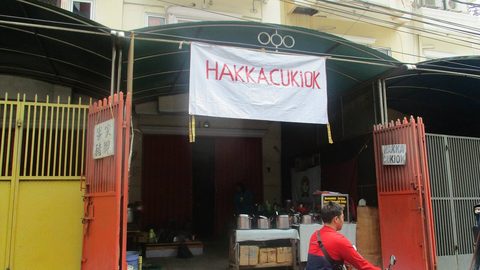 Sixian and Hailu Hakka What Is the Difference Between Taiwan Two Main Dialects
Sixian Hakka has six tones and comes from Jiaying prefecture; Hailu Hakka has seven tones and comes from Haifeng-Lufeng—distinguish them by the word for 'to sit.'
-
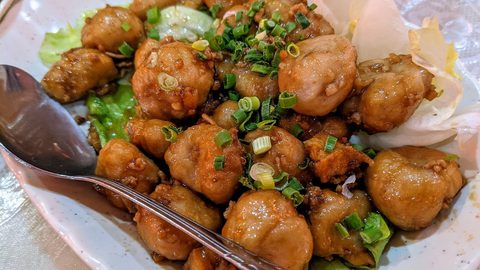 How Is Hakka Written Using Chinese Characters Romanisation and Ad Hoc Systems
Hakka is written using Chinese characters, romanisation systems, and ad-hoc character borrowing, with formal media, official testing, and social media each using different conventions.
-
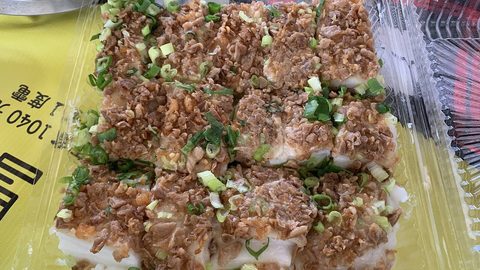 Is Hakka an Endangered Language Current Vitality Data and Revitalisation Policy
Official surveys report around 2.5 million Hakka speakers in Taiwan, but fluent speakers under 40 are a much smaller fraction—policy designation and lived vitality differ sharply.
-
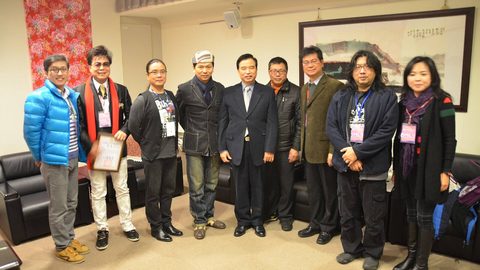 How Can a Beginner Learn Taiwan Hakka Choosing a Dialect and Finding Resources
Choose a Taiwan Hakka variety first—Sixian for media and education, Hailu for Haifeng-Lufeng communities—then use Hakka Affairs Council certification as your structured learning path.
-
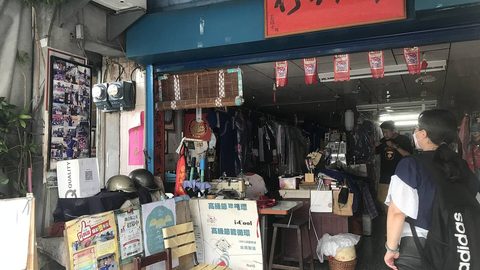 What Is Hakka Blue Dye Craft and How Is It Being Revived Today
Hakka blue dye craft uses a Strobilanthes cusia reduction vat that resists industrialisation, now revived as heritage practice distinct from its historical form.
-
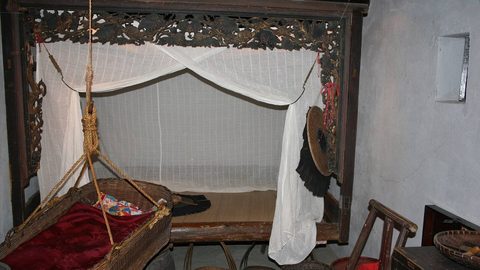 Hakka History: Identity, Migration and Regional Variation
How Hakka identity formed through migration, regional adaptation, and state policy—not a single origin myth. Covers settlement patterns, lineage, and modern change.
-
 Hakka Food and Everyday Culture Regional Practice Not Restaurant Shorthand
Hakka cuisine is built on salt, fat, fermentation, and preserved vegetables as a response to labour-intensive upland agriculture—regional practice, not restaurant shorthand.
-
 What Does Hakka Mean: The Name's History Beyond Guest People
Hakka means 'guest families' in Cantonese, a Qing-dynasty administrative label for upland settlers—not an ancient self-designation or romantic wandering narrative.
-
 How Hakka Communities Developed in Taiwan Through Migration Waves
Taiwan's Hakka communities formed through distinct migration waves from Jiaying, Haifeng-Lufeng, Dabu, and Raoping, each carrying specific dialects and customs still visible today.
-
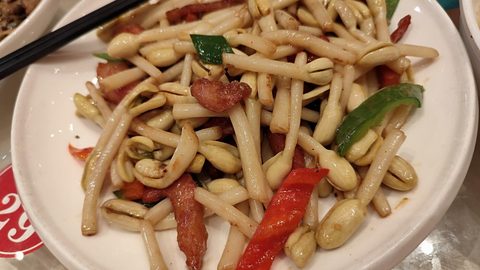 What Defines Hakka Food Techniques Ingredients and Regional Diversity Across Migration Zones
Hakka cuisine is a migration ecology of salt, fat, fermentation, and preserved vegetables—suan gan cai is the foundation, and a sixth-generation Taiwan dish is not a Meizhou dish.
-
 What Is Lei Cha Savoury Ground Tea Preparation Forms and Community Context
Lei cha is a savoury meal-soup of pounded tea with herbs, seeds, and grains, strongly associated with Hailu-region Hakka—not a tea drink and not Japanese matcha.
-
 Why Preserved Foods Are Central to Hakka Cooking
Hakka preserved foods are a structural response to upland labour and limited refrigeration, built on salt, fat, and fermentation—not a single unified tradition.
-
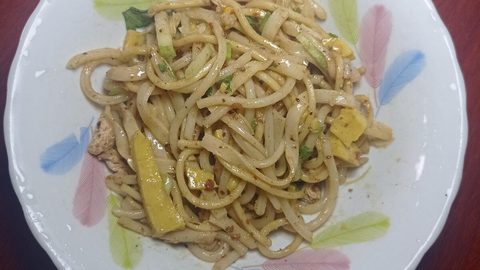 What Is Hakka Stir Fry and How Did It Become a Taiwan Standard
Hakka stir fry is a modern Taiwan restaurant standard of pork, dried squid, and celery—codified by competition, not inherited unchanged from Meizhou.
-
 How to Approach Hakka Food Traditions Respectfully as a Visitor
Hakka food etiquette depends on context: a home kitchen, ancestral hall, festival tent, or heritage restaurant each has different protocols for visitors.
-
 What Is the Hakka Yimin Festival and Where Is It Observed
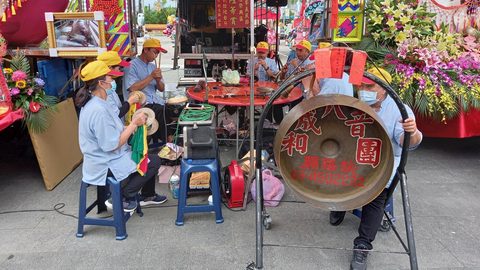
The Hakka Yimin Festival is a Taiwan-specific ritual honouring settler-militia dead, observed in Liu Dui communities with divination-determined dates.
-
 What Is the Hakka Tung Blossom Festival and When Does It Happen
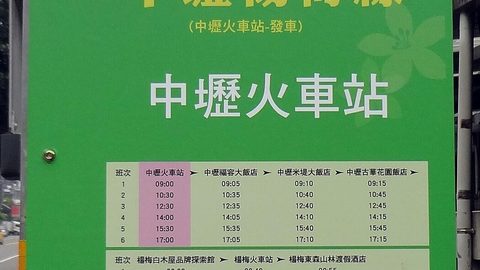
The Hakka Tung Blossom Festival is a Taiwan cultural policy initiative tied to the tung tree flowering season, not a traditional ritual, with annually changing programming.
-
 How to Evaluate Hakka Cultural Festivals for Stereotyping
A visitor's guide to evaluating Hakka cultural festivals: tests for community authority, regional specificity, and whether ritual is presented as performance.
-
 Hakka Festivals and Public Culture: A Regional Calendar Guide
A regional guide to Hakka festivals in Taiwan, explaining lunar dating, divination-determined timing, and the difference between community ritual and tourism events.
-
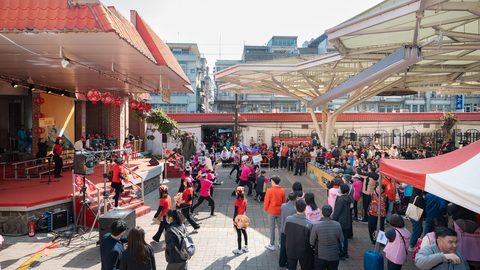 What Is Hakka Mountain Song and How Is It Transmitted Today
Hakka mountain song is an improvised upland vocal tradition now transmitted through state cultural policy, broadcast media, and school programmes in Taiwan.
-
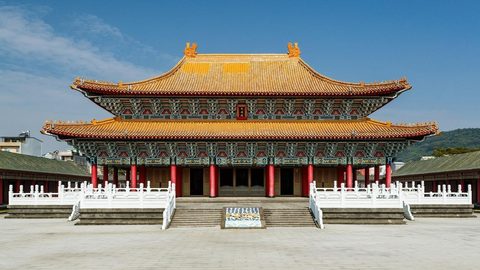 What Did the 2023 Hakka Expo Present and What Was Its Scope
The 2023 Hakka Expo was a completed policy event organised by Taiwan's Hakka Affairs Council; it is not an ongoing attraction and its installations are not permanent.
-
 Hakka Culture Guide: Living Traditions Across Taiwan and Beyond
A Taiwan-centred guide to Hakka culture as a living, adaptive system of language, food, architecture, and craft across multiple regions—not one frozen tradition.